Cultivating Teacher-Student Relationships

Welcome to the heart of our mission to transform your classroom through connection. This section of our site is your dedicated guide to unlocking greater teaching efficacy and renewed joy in your profession, while fostering environments where every student feels valued, engaged, and empowered to thrive. Here, you’ll discover why strong Teacher-Student Relationships (TSR) are indispensable, gain tools for insightful self-assessment to pinpoint your unique strengths, and explore actionable strategies to become an expert at cultivating these vital connections for both your well-being and your students’ success.
Foundation for Success



Strong teacher-student relationships (TSRs) are the absolute bedrock of a thriving classroom. They do more than just make the classroom a pleasant place; they actively create a safe, trusting, and respectful environment where every student feels secure enough to take risks and learn. When students feel a genuine connection with their teacher, their engagement increases significantly, leading directly to improved academic outcomes across all subjects. This foundation builds confidence and a sense of belonging, which are vital for sustained learning.
Conversely, without strong TSRs, the classroom environment can struggle. Students often disengage, becoming less interested in lessons and less motivated to participate. This can lead to learning struggles, as children may be hesitant to ask questions or seek help when they don’t feel connected to their teacher. Furthermore, a lack of strong relationships often results in more disruptive behavior, as students may act out to get attention or because they don’t feel valued. This cycle makes teaching incredibly harder and less effective, turning the classroom into a challenging space rather than a place of growth.
This project strongly confirms that focusing on strong TSRs truly transforms classrooms from the ground up. These relationships lead to more positive, respectful, and collaborative spaces where students and teachers work together harmoniously. This approach dramatically reduces misbehavior, boosts student engagement in lessons, and significantly improves essential social-emotional skills like empathy, self-regulation, and problem-solving. It also consistently leads to higher academic achievement, increased motivation, and overall positive classroom climates. Ultimately, strong TSRs improve job satisfaction for teachers by creating a more joyful and manageable teaching experience, and they foster a happier, safer learning environment where everyone feels they truly belong and can succeed.
Power of Connections
Why Positive Relationships Matter
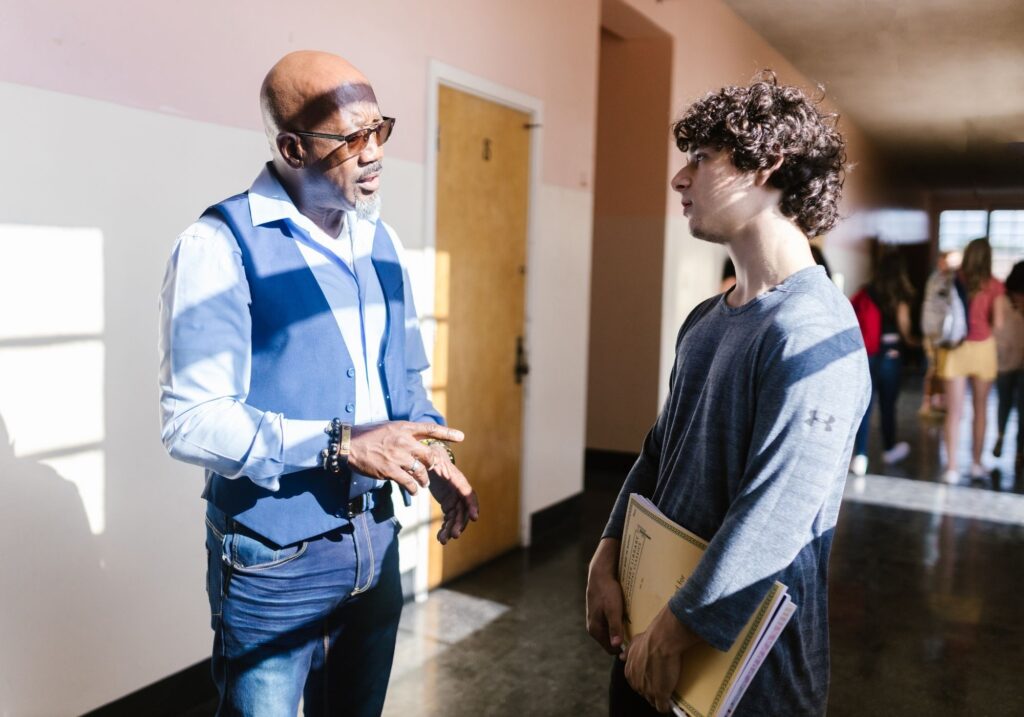
Imagine a classroom where everyone feels safe, understood, and truly connected. That’s the profound power of strong teacher-student relationships! These connections are far more than just “nice-to-haves”; they are the secret ingredient for improving how students learn, behave, and even feel about themselves. When students genuinely trust their teacher, they’re much more likely to take healthy risks in learning, ask questions when confused, and actively participate in class discussions. Building these fundamental, positive bonds helps students not only feel secure but also ready to engage deeply with new material, leading to stronger academic performance and a more harmonious classroom experience overall.

Every Student's Unique Story
Every single student who walks into your classroom brings their own unique experiences, diverse backgrounds, and individual learning styles. Teachers need to take the time to understand these differences to help each child truly thrive. Some students might have experienced challenging situations or trauma (Adverse Childhood Experiences, ACEs), which can significantly affect how they learn, behave, and connect with others. Others may struggle with emotional regulation or have specific learning needs. Recognizing these individual stories and needs helps teachers respond with genuine empathy and create a truly supportive and inclusive environment where every student feels seen, valued, and understood, fostering a sense of belonging for all.
Your Guiding Hand
How do you effectively build these powerful, lasting connections? A great example of a strong TSR can be seen through an authoritative teaching approach. This style perfectly blends warmth and support with clear expectations and consistent boundaries. Think of it like a supportive coach: you’re there to guide, encourage, and listen to your students, but you also provide firm, fair rules that help them stay on track and learn responsibility. This balanced approach, informed by frameworks like CASEL’s Framework, Maslow’s Hierarchy of Needs, and the CLASS Framework, effectively creates the holistic and highly effective relational strategy that defines a strong TSR. It’s about being both nurturing and structured, offering students the security and guidance they need to thrive.


The Amazing Payoff
Authoritative teaching consistently leads to truly happy, productive, and successful classrooms for both you and your students. When students feel genuinely safe, deeply understood, and consistently respected, they are empowered to learn at their best. This powerful approach helps students develop crucial social and emotional skills, such as empathy, self-regulation, and resilience, which are vital for life beyond the classroom. The result is fewer behavioral issues, a more positive classroom atmosphere, and students who are highly engaged and motivated. They feel confident to ask questions, participate actively, and truly connect with their learning, ultimately achieving greater academic success and personal growth.
Modeling Strong TSRs

Strategies for Connection
This section explores powerful concepts that help educators actively model and cultivate strong Teacher-Student Relationships (TSRs) in their classrooms. We’ll first delve into the four key discipline styles that we’ve touched upon throughout this site, now exploring them in detail to understand their characteristics and impact on the classroom and TSRs. Then, we’ll introduce Stephen R. Covey, an influential American educator and author, and his powerful concept of the Emotional Bank Account, a metaphor for understanding how daily interactions either build or erode trust, ultimately fostering a positive and productive learning environment.
Understanding Discipline Styles
Beyond Rules and Punishment
Often, when we hear the word “discipline,” we immediately think of punishment or a rigid set of rules. However, in the context of fostering strong relationships, discipline is much more profound and positive. It’s not about negative reactions or simply enforcing rules. Instead, discipline is about consistent guidance, teaching self-control, and supporting students as they learn to make responsible choices. It’s about being predictable and intentional in our actions, creating a secure environment where students can grow. A simple definition of discipline is “teaching and guiding students towards self-regulation and positive behavior.”
Understanding different discipline styles helps teachers reflect on their approach and how it profoundly impacts student well-being, engagement, and the quality of TSRs. Each teaching approach carries a distinct impact on the classroom environment and the connections formed with students.

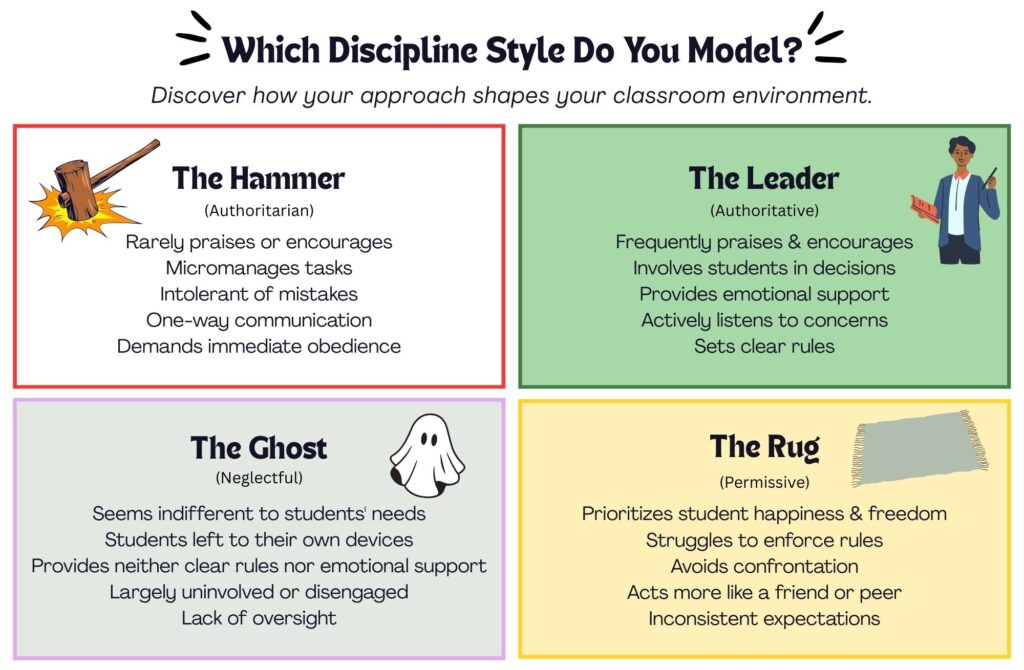
From Hammer to Leader: What Students Experience
Which Style Best Matches Your Classroom?
Every teacher has a natural approach to guiding students, and it shapes the way the classroom feels.
The Hammer (Authoritarian): This classroom feels strict and controlled. Students may follow directions, but they often stay quiet, avoid risks, and may feel anxious about making mistakes.
The Leader (Authoritative): This classroom feels safe, respectful, and focused. Students know what is expected of them, feel supported, and are motivated to participate and succeed.
The Rug (Permissive): This classroom feels friendly and easygoing, but students may take advantage of the lack of structure. Rules are unclear, and learning time can be disrupted.
The Ghost (Neglectful): This classroom feels unstructured. Students are left to figure things out on their own, which can lead to confusion, disengagement, and missed learning opportunities.
Building a classroom that reflects the Leader style helps students feel valued and supported while keeping learning structured and productive.
The Emotional Bank Account
Building Trust Every Day

Stephen R. Covey’s Emotional Bank Account is a way to picture the trust between you and your students.
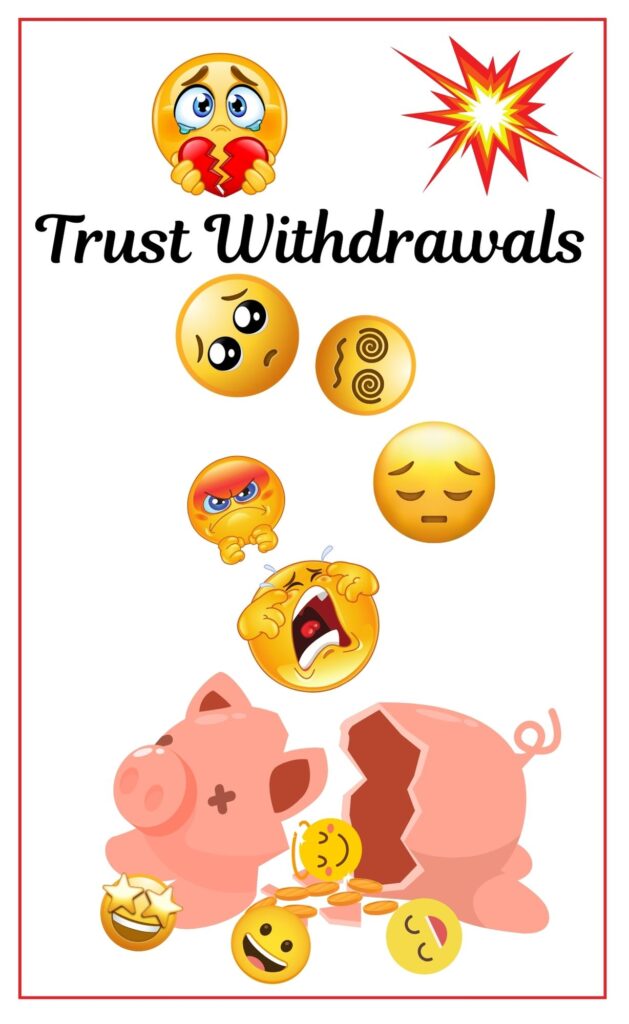
Just like saving money helps us feel secure in life, building up this account helps students feel secure in your classroom. Every time you show kindness, keep a promise, or listen carefully, you are adding to that account. When you speak harshly, break a promise, or ignore a student’s feelings, you take from that account. Keeping the account full helps students feel safe, respected, and ready to learn.
When you do have to make a withdrawal, like correcting behavior, a full account makes it easier for students to accept and grow from it.
What Fills the Account
- Listen when students need to talk
- Use their names and greet them warmly
- Praise effort and improvement, not just results
- Follow through on what you say you will do
- Show patience when they struggle

What Empties the Account
- Ignore or brush off their feelings
- Speak with sarcasm or frustration
- Break promises or change rules without explanation
- Call out mistakes in a way that embarrasses them
- Show favoritism or unfairness

Reflection
Think about the last few days in your classroom.
- Where did you make deposits
- Where might you have made withdrawals
- Do your students’ accounts feel full right now or close to empty
- What is one small action you can take tomorrow to add back to a student’s account