Educator's Resource Library

Welcome to your Educator’s Resource Library! We know that professional learning never truly stops, so we’ve carefully gathered a collection of valuable articles, insightful videos, and informative books just for you. This comprehensive library is designed to help you grow your skills in building strong and meaningful teacher-student relationships. Our goal is to offer easy-to-use resources that give you fresh ideas and practical strategies. These insights will help you create more engaging classrooms and positive learning environments where every student can truly thrive and reach their full potential.
Foundational Paper

Building Strong and Positive Teacher-Student Relationships in the Classroom: A Systematic Literature Review and Strategy Guide
This systematic literature review, originating as an action research study, synthesizes scholarly literature to explore how strong, positive teacher-student relationships, particularly when characterized by an authoritative approach, profoundly affect the classroom environment and student learning for all students.
Foundational Frameworks: A Deeper Dive
CASEL provides the definitive framework for Social-Emotional Learning (SEL), outlining core competencies that foster crucial life skills. It emphasizes developing self-awareness, self-management, social awareness, relationship skills, and responsible decision-making to enhance student well-being and academic success.
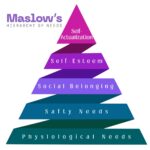
Maslow’s Hierarchy explains human motivation by prioritizing basic needs before higher-level ones, from physiological to self-actualization. In education, it highlights that meeting students’ fundamental needs for safety, belonging, and self-esteem is crucial before they can genuinely engage in learning.

Attachment Theory describes how early relational experiences shape an individual’s capacity to form bonds and regulate emotions. In the classroom, it underscores the teacher’s role as a “secure base,” influencing student behavior and their sense of safety and exploration.

The Classroom Assessment Scoring System (CLASS) is an observational tool that evaluates the quality of teacher-child interactions. It focuses on how teachers provide emotional support, organize the classroom, and deliver instructional support, directly impacting student learning and development.
Authoritative Discipline Styles

This article from Continental Press provides a clear overview of the four primary classroom management styles, highlighting the key principles and benefits of the authoritative approach in fostering positive student behavior and a productive learning environment.
Explore the official Positive Discipline website for comprehensive resources, articles, and tools that teach adults how to be both kind and firm, fostering cooperation, problem-solving skills, and mutual respect in children and students.
Video: How Authoritative Style Fits With Relationships
This practical video from Tolentino Teaching offers clear, actionable tips on how educators can effectively embody an authoritative classroom management style. Learn to balance warmth with firm expectations to create a respectful and productive learning environment.

This Knovva Academy article explores how different parenting styles, particularly the authoritative approach, profoundly influence a student’s educational growth and development. Gain insights into creating a supportive learning environment in your classroom.
Social and Emotional Learning (SEL) in Practice
This informative video from The Global Family Playroom offers a clear and concise introduction to Social-Emotional Learning (SEL). Understand the core concepts and the profound impact SEL has on student development and classroom environments.

Explore this practical playbook from CASEL, offering concrete, evidence-based strategies for integrating social-emotional learning into daily classroom routines. Discover actionable practices to foster students’ social-emotional competencies.
Explore this comprehensive guide from CASEL that provides a roadmap for schools and districts to implement social-emotional learning systematically. Discover strategies for creating a supportive school-wide culture that fosters SEL for all students.
Explore CASEL’s official page on systemic implementation to understand the foundational principles and overarching framework for integrating social-emotional learning across entire school systems, fostering a cohesive and supportive environment.
Recommended Educational Websites & Articles
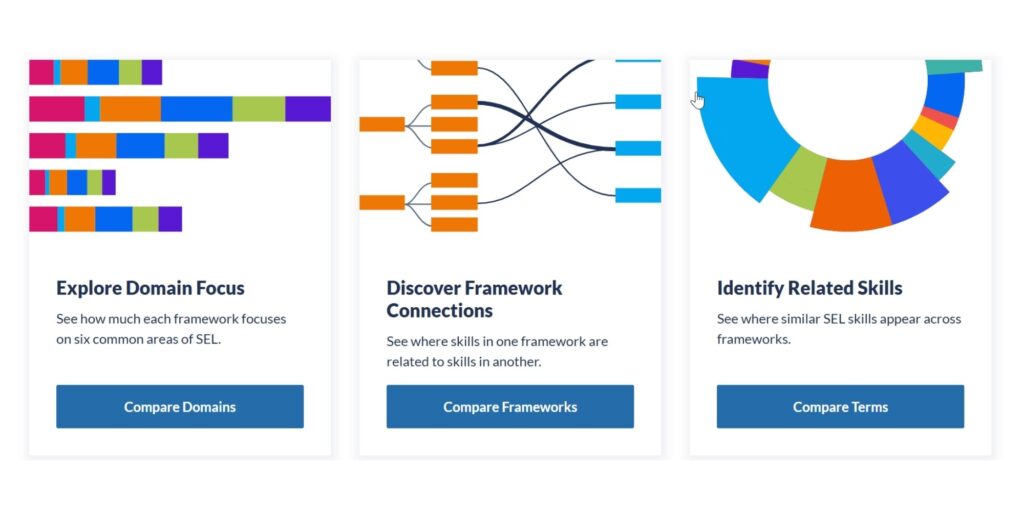
Dive into Harvard Graduate School of Education’s Explore SEL website, offering comprehensive research, insights, and tools for integrating social-emotional learning effectively into educational practice. A highly authoritative resource for deepening SEL understanding.
Utilize CASEL’s comprehensive program guide, an essential resource for educators and schools, to effectively evaluate and select evidence-based social-emotional learning programs for implementation.
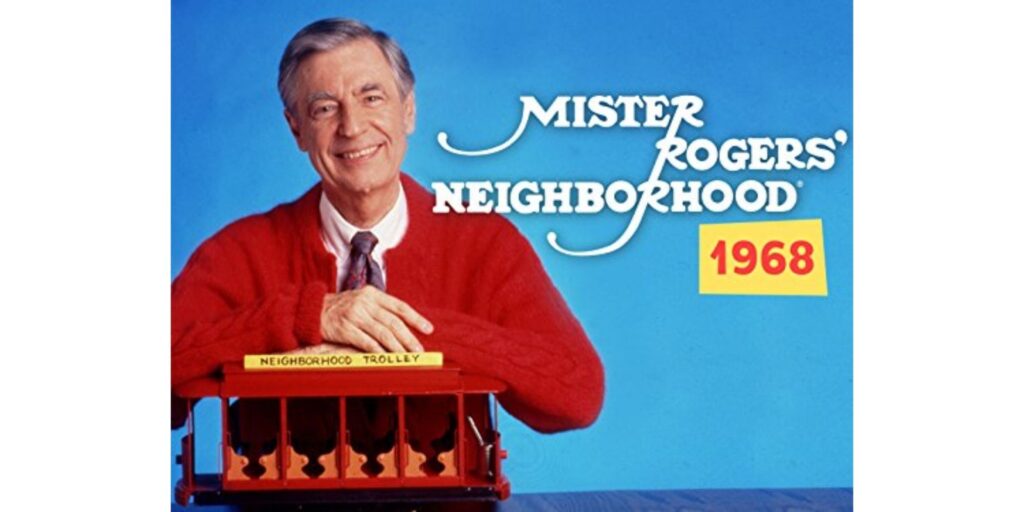
This engaging opinion piece from The Hill thoughtfully explores how the timeless wisdom of Mr. Rogers perfectly embodies the core principles of social-emotional learning, underscoring its vital role in child development and education.

This insightful article from Education Northwest explores the crucial intersection of equity, trauma-informed practices, and social and emotional learning, providing educators with a holistic framework for supporting all students effectively.