
Powerful Frameworks for Success
Building better connections.
Starts with a solid foundation.
Positive teacher-student relationships are more than just a nice idea; they’re backed by decades of strong research! Many powerful frameworks highlight how important these connections are for both the classroom and our students. The key foundations I chose to explore are the CASEL Framework, Maslow’s Hierarchy of Needs, Attachment Theory, and the CLASS (Classroom Assessment Scoring System).
These essential frameworks guide us. The CASEL Framework identifies core social-emotional skills, while Maslow’s Hierarchy of Needs underlines students’ fundamental needs for safety and belonging. Attachment Theory shows how secure teacher bonds impact behavior, and the CLASS tool helps measure and improve classroom interactions. These foundations empower us to build truly connected and effective learning environments.
CASEL-Social & Emotional Learning
Empowering Connections
History & Mission
The Collaborative for Academic, Social, and Emotional Learning, or CASEL, was founded in 1994 by a group of leading educators and researchers with a clear and ambitious mission. They wanted to create a holistic approach to education that helps every child thrive by integrating these core competencies into the daily school experience. Since then, CASEL has been instrumental in defining Social and Emotional Learning (SEL), making it a leading force worldwide in developing essential life skills for students and shaping positive school environments.

Framework in Detail
At its core, the CASEL Framework provides a structured way to understand SEL. It’s often seen as a wheel that highlights five key competencies: Self-Awareness, Self-Management, Social Awareness, Relationship Skills, and Responsible Decision-Making. These are the crucial skills students need for personal growth and social success. The wheel also emphasizes that SEL is supported by different layers of a student’s world: their immediate classroom and school, their families and caregivers, and the wider community. It shows how all these environments work together to support a child’s development.
Why the CASEL Framework
The CASEL Framework is vital for creating truly supportive and fair learning environments. It moves beyond just academics to focus on developing the whole child by cultivating these five essential competencies. This ensures all students feel safe, connected, and supported in the learning process. By helping students build these skills, CASEL empowers schools to ensure that all students, regardless of their background, possess the foundational social and emotional abilities necessary to navigate challenges, succeed in school, and thrive in life. It’s about giving every student the tools they need to be successful.
Tying CASEL to TSR
CASEL offers a powerful way to build positive teacher-student relationships. It provides a structured approach, helping you not only build rapport but also explicitly teach students the social skills they need to succeed in their interactions. By intentionally fostering skills like Social Awareness and Relationship Skills, you can help students feel seen, understood, and valued. This leads to a more respectful and communicative classroom where students feel a strong sense of belonging, and it equips them with the tools needed to build their own positive relationships with peers and adults. This focus on SEL competencies is the cornerstone of a truly supportive learning environment, benefiting both student well-being and academic success.

Maslow's Hierarchy of Needs
A Blueprint for Basic Needs
History
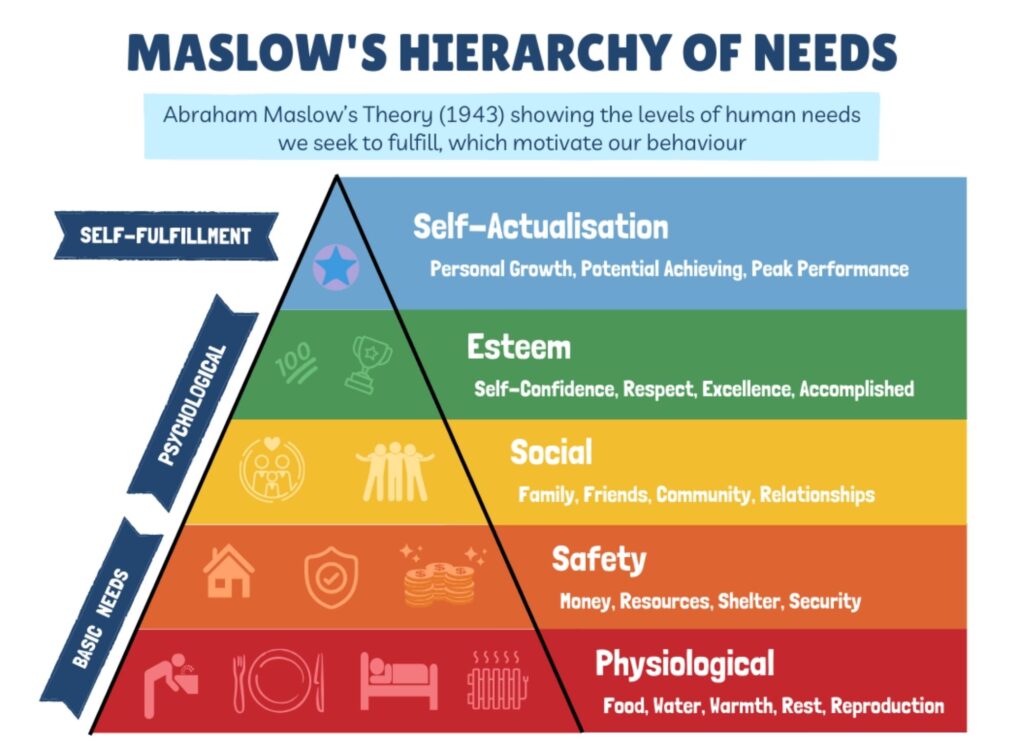
Developed by American psychologist Abraham Maslow in 1943, the Hierarchy of Needs is a motivational theory in psychology. Maslow proposed that people are motivated to achieve certain needs and that some needs take precedence over others. The most basic needs must be met before individuals can focus on higher-level needs. His mission was to provide a framework for understanding human motivation and development.
Framework in Detail
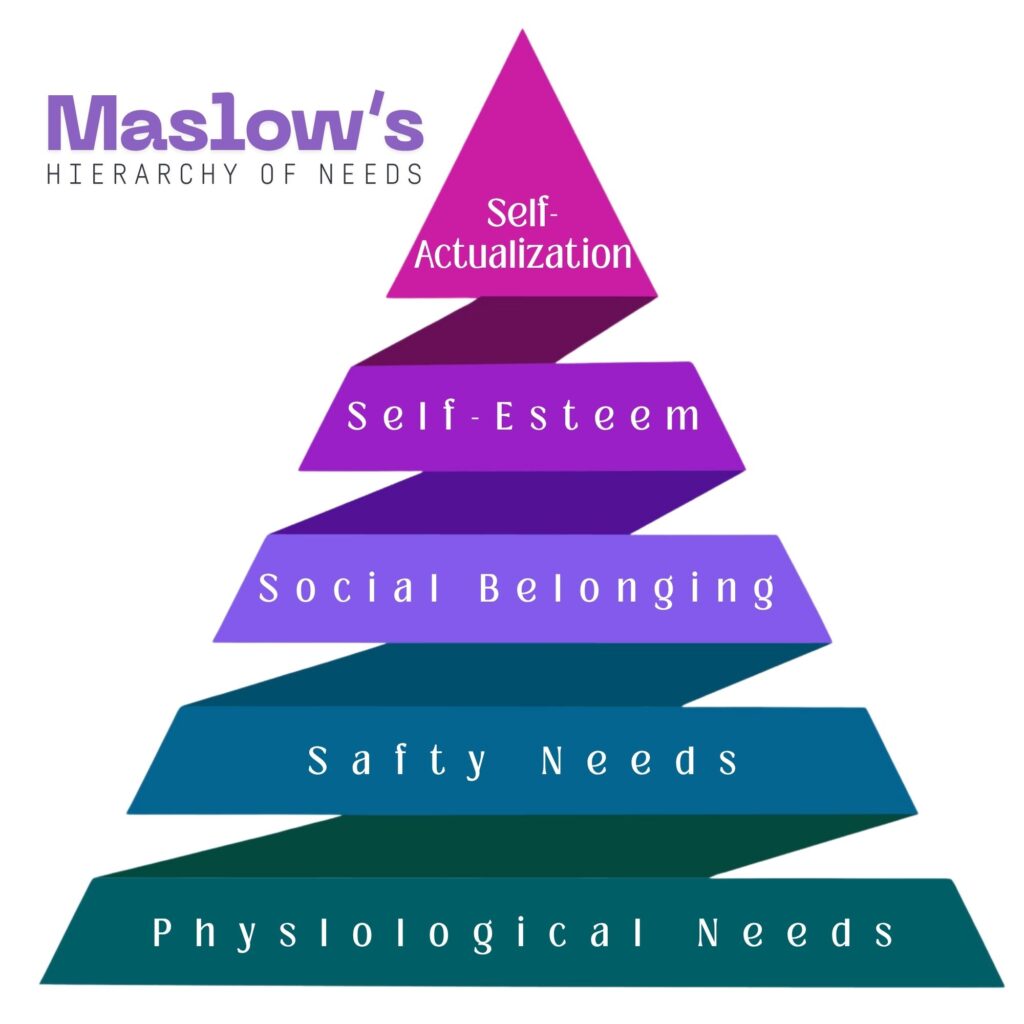
Maslow’s framework is most often depicted as a pyramid with five levels of human needs. The most fundamental needs are at the bottom, and the most advanced are at the top. The five levels are:
Physiological Needs: Our most basic needs like air, water, and food.
Safety Needs: The need for personal and emotional security, stability, and freedom from fear.
Love and Belonging Needs: The need for friendships, intimacy, and a sense of connection to a group.
Esteem Needs: The need for respect, confidence, and achievement.
Self-Actualization: The highest level, where a person reaches their full potential.
Why Maslow's Framework
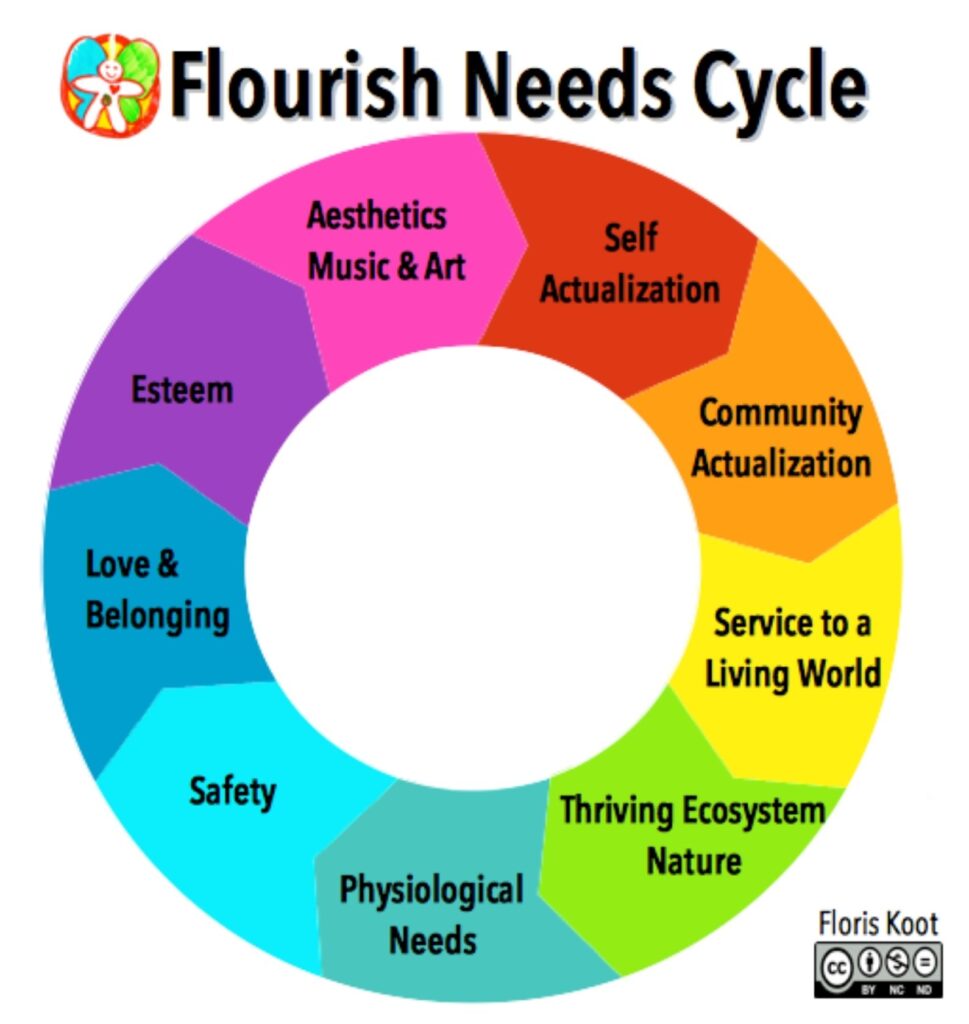
Maslow’s Hierarchy is a fundamental tool for understanding student behavior, showing us that basic human needs for safety and belonging must be met before a student can engage in learning. The “Flourish Needs Cycle” presents this idea as a continuous, rather than one-way, process, reminding teachers that providing a warm, consistent, and predictable classroom is a constant effort. By building strong, positive relationships, educators can help a student feel secure and connected, fulfilling their foundational needs so they can progress to higher-level learning. This continuous cycle of support is the bedrock upon which all academic and personal growth can occur.
Tying Maslow's Theory to TSR
Maslow’s Hierarchy offers a practical way to build positive teacher-student relationships. If a student’s basic needs for safety and belonging are not met, their learning is inhibited. The teacher’s role is critical in fulfilling these foundational needs by providing a warm, consistent, and predictable environment. By building strong, positive relationships, educators can effectively meet a student’s need for security and belonging. This creates the essential foundation upon which all learning and personal growth can occur.

Attachment Theory
The Foundation of Connection
History
Developed by British psychologist John Bowlby in the 1950s and later expanded by Mary Ainsworth, Attachment Theory explores the long-term bonds humans form. Its purpose is to understand how early relationships with primary caregivers shape a child’s internal “working models” of themselves and others, which in turn influence their behavior and relationships throughout life, including those in the classroom.

Framework in Detail
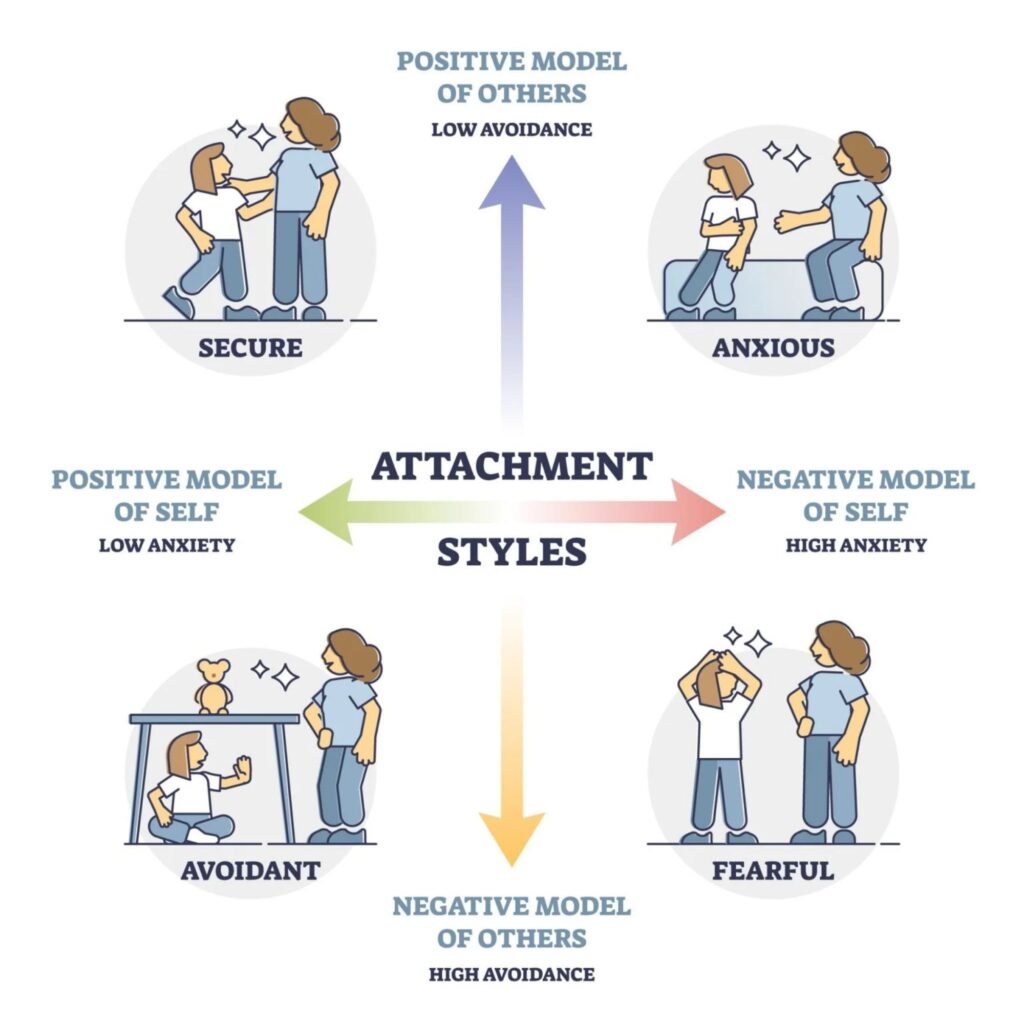
Building on the idea that these bonds are foundational, the Attachment Theory framework identifies four primary attachment styles in children. These styles are shaped by the quality of early caregiver relationships and can be placed on a spectrum from secure to insecure.
-
Secure: A child feels safe, confident, and can seek comfort from a caregiver.
-
Anxious/Ambivalent: A child is clingy and worried, unsure if a caregiver will be there for them.
-
Avoidant: A child learns to be independent and doesn’t seek comfort, as they expect a caregiver to be unresponsive.
-
Disorganized: A child exhibits a combination of avoidant and anxious behaviors, often appearing confused or disoriented.
Why the Attachment Theory
Understanding these attachment styles provides a profound framework for understanding student-teacher dynamics. Recognizing a student’s attachment style helps educators interpret behaviors that might otherwise seem challenging. This understanding shifts the focus from managing behavior to addressing underlying emotional needs. It reinforces the importance of positive teacher-student relationships and Social-Emotional Learning (SEL), emphasizing that teachers creating a secure classroom helps all students thrive. This is especially true for those with insecure attachment styles, as the classroom becomes a crucial environment for them to develop new, more secure “internal working models” for relationships.


Tying Attachment Theory to TSR
Attachment Theory provides a profound framework for understanding not just adult relationships but critically, student-teacher dynamics. Recognizing a student’s attachment style can help educators interpret behaviors that might otherwise seem challenging. This understanding shifts the focus from managing behavior to addressing underlying emotional needs. It reinforces the importance of positive teacher-student relationships and Social-Emotional Learning (SEL), emphasizing that teachers creating a secure classroom can help all students thrive.
Classroom Assessment Scoring System
Fostering Connection With a Purpose

History and Mission
Developed by researchers at the University of Virginia, CLASS is an observational tool used to measure and improve interactions between teachers and children within a classroom. The framework was created by Dr. Robert Pianta and his colleagues in the early 2000s, stemming from extensive research into these interactions. The mission of CLASS is to provide a clear and effective way to evaluate and strengthen key interactions that contribute to children’s social-emotional and academic success.
Framework in Detail
The CLASS framework is comprised of three broad domains, each focusing on a specific type of interaction:
Emotional Support: This domain measures the emotional climate of the classroom, including how teachers build warmth, a positive atmosphere, and a sense of security.
Classroom Organization: This domain evaluates how teachers manage student behavior, time, and attention, creating a clear and consistent learning environment.
Instructional Support: This domain assesses how teachers foster higher-order thinking, creativity, and deeper learning by providing feedback, promoting a variety of learning modalities, and engaging students in rich discussions.
Why CLASS Framework
CLASS provides a concrete framework for assessing and improving teacher-student interactions, making it a valuable resource for teachers’ professional development. Research indicates a strong connection between high CLASS scores and improved student outcomes, directly linking the quality of classroom interactions to a child’s social and academic success. By emphasizing key dimensions like Positive Climate and Teacher Sensitivity, CLASS provides actionable insights that help teachers make their classrooms places where students feel secure, connected, and engaged. It provides a shared language for educators to discuss and improve teaching practices, directly contributing to both student well-being and academic achievement.
Tying CLASS to TSR
The CLASS framework directly supports the cultivation of strong teacher-student relationships by focusing on observable, measurable interactions. The Emotional Support domain highlights how teachers build warmth, trust, and respect. It provides a clear blueprint for fostering connections that make students feel secure and valued, which directly contributes to their social-emotional well-being and academic success. In this way, CLASS is not just an assessment tool; it is a guide for creating a responsive classroom that meets a student’s fundamental need for a secure relationship. By implementing the principles of CLASS, educators can systematically build a supportive environment that allows every student to thrive.